
About this business
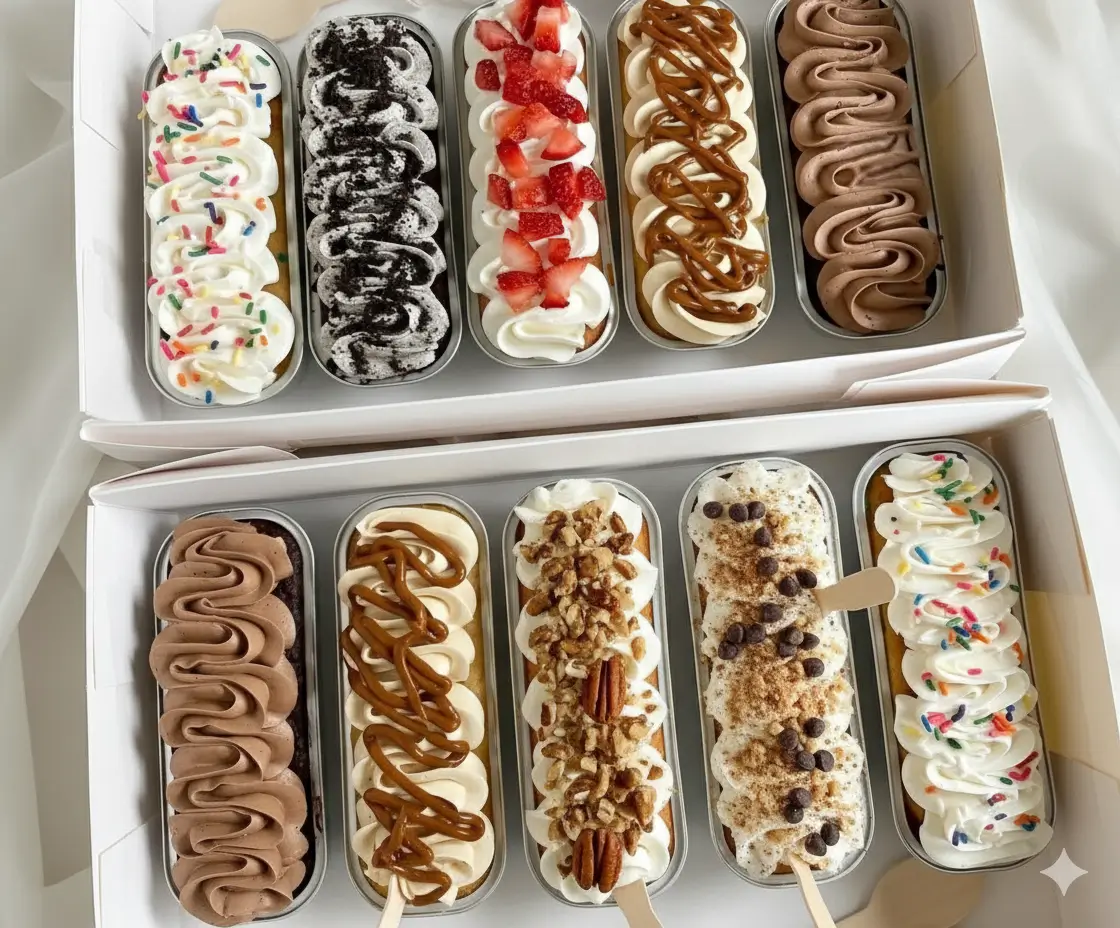
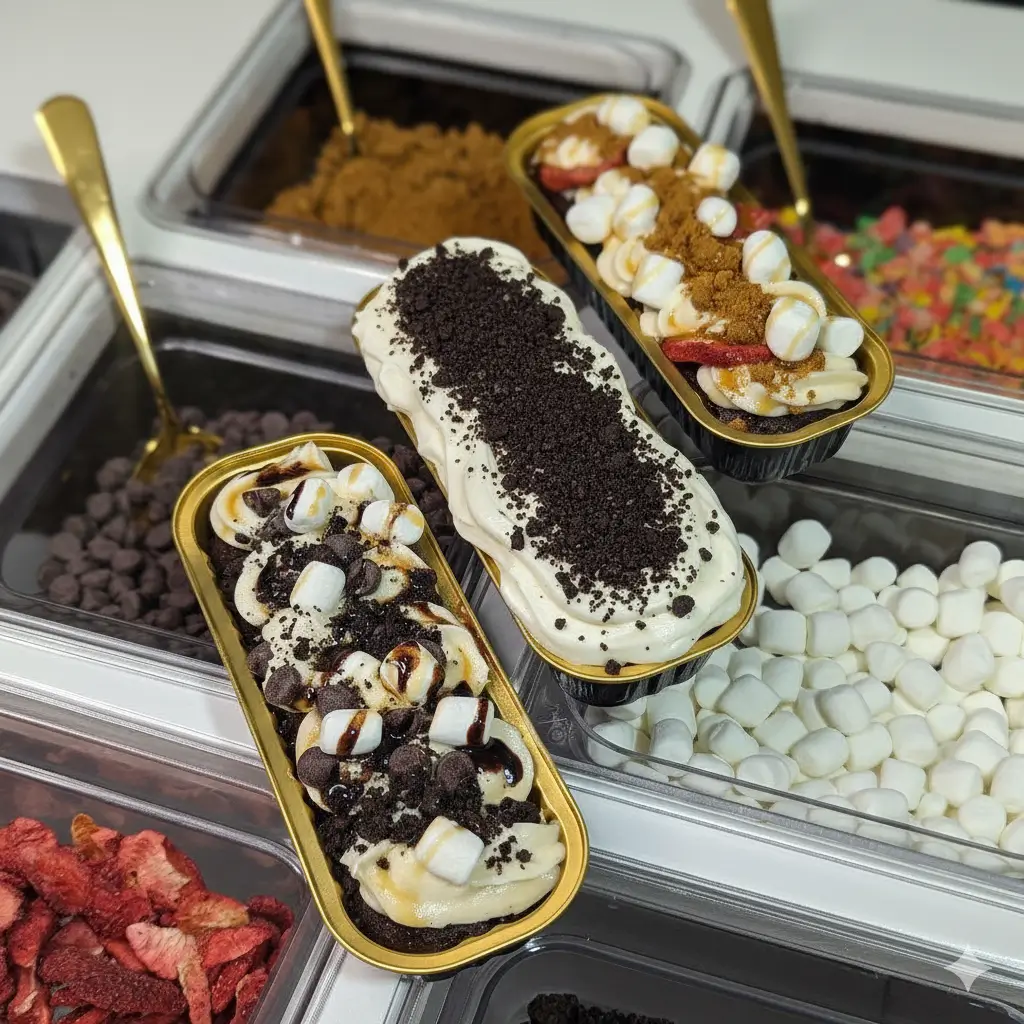
This business turns dessert into an experience. Instead of baking and delivering cakes, you bring the fun directly to events with a mobile cart that lets guests customize their own mini cakes.
Guests choose a base cake flavor, frosting, syrup, and toppings; you assemble it live on-site. Because it's mobile, overhead is low and you don't need a full storefront. With word of mouth, local partnerships, and social media videos showing your setups, you can build strong event demand quickly.
Mobile dessert catering market growth
12.8%
Pricing and profit examples
Avg rate per task
$8-$15 per mini cake
Avg client spend per month
$400-$1,200 per event
5 active clients
2-4 events per week
Extra services
Up to $200 for themed décor
Startup costs
Most regions require mobile food or dessert vendors to use a licensed commissary kitchen for food prep, cleaning, and storage. Check your local health department regulations before starting.
What to Offer
Core Packages
Mini personal cakes with base flavor options
Choice of frosting styles, syrups or drizzles, toppings, 2+ hours of live guest service
Add-Ons
Branded carts, themed décor, or signage
Extra service hours
Custom dessert toppers or edible art
Travel fee for out-of-area bookings
Bundle with dessert tables or bar service
Where the Money Comes From
Pricing Model
Per event
$400–$1,000
Multi-event or large bookings
$1,200+
Revenue Potential
2 events/week at $600 avg
4 events/week at $600 avg
Industry Insights
Profit margins typically 50–70% depending on ingredients and décor costs
Most solo operators handle 2–4 events per week, balancing setup and prep time
Seasonal peaks occur around wedding and holiday months
Offering custom branding or premium toppings can increase profit per booking
Local events, repeat clients, and collaborations with planners generate steady income
Finding Clients
High-Value Targets
Brides and wedding planners
Birthday and celebration hosts
Corporate event organizers
Marketing Channels
Instagram & TikTok videos showing guest cake builds
Local influencer collaborations
Google Business Profile and local SEO
Partnerships with event venues and planners
Pop-up demos and community events
Referral incentives for repeat clients
Roadblocks to Watch For
Commissary kitchen requirements and permits for food handling
Travel time, setup logistics, and weather considerations
Ingredient waste and spoilage management
Seasonal demand swings
Event scheduling limits (how many you can handle solo)
Local competition from bakeries or dessert caterers
Disclaimer: All numbers are estimates. Actual costs and revenues will vary by region (taxes, permits, cost of living), travel time, local demand, the quality of equipment, client volume, weather, and regulatory environment. Laws and requirements differ by state and municipality, so always check local and state regulations before starting your business. Build in buffer and do local research.
Categories
Food services
Event services
Mobile catering
Dessert catering
Pop-up businesses
On-demand services
Local experiences
Skills needed
Who it's great for
Get started for free
Build your website and launch your business in minutes
4.8 Stars on Trustpilot
Trusted by 3 million businesses